
Preserving Farm Life: Strategies Against Silverfish Infestations
Living on a farm often comes with its unique set of challenges, one of which may include managing pests like silverfish, particularly in older cabins and storage facilities. These small, nocturnal insects are drawn to damp, dark environments, making barns, sheds, and uninhabited cabins prime targets for infestation. Understanding how to effectively combat silverfish is essential for preserving the integrity of farm structures and protecting valuable equipment and supplies. Read more about silberfische bekämpfen process.
The first step in fighting silverfish infestations in old cabins and facilities is to identify and address the environmental conditions that attract them. Old cabins, often rich in character and history, can also harbor moisture, especially if they have not been adequately maintained. Regular inspections for leaks, particularly around plumbing fixtures and roofs, can help mitigate excess moisture. Ensuring proper ventilation throughout these structures is equally important. This might involve installing or repairing vents, using fans to improve air circulation, or simply keeping windows open during dry days to reduce humidity levels. By creating a less hospitable environment, farmers can significantly decrease the chances of silverfish making themselves at home.
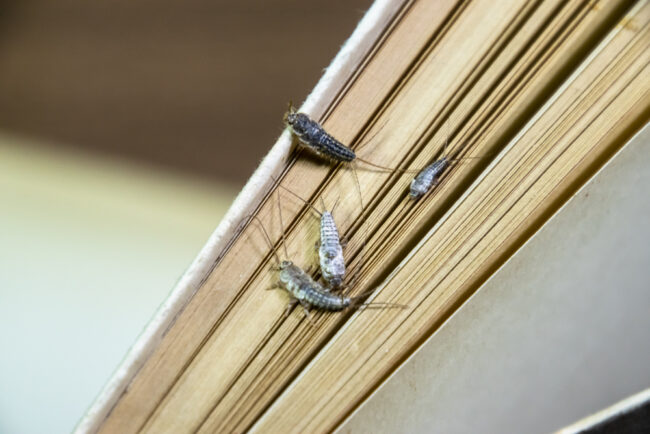
Once the conditions are less favorable for silverfish, it’s time to implement control measures. Many farmers opt for a combination of natural and chemical treatments. Diatomaceous earth, a safe and non-toxic powder, can be applied in areas where silverfish are frequently seen. This powder works by damaging the insects’ exoskeletons, leading to dehydration and death. For those who prefer chemical solutions, insecticides specifically designed for silverfish can be targeted in high-traffic areas such as behind appliances, under sinks, and along baseboards. It is essential to follow safety guidelines when using any chemical treatments, especially in spaces where food and farming tools are stored.
Maintaining cleanliness is paramount in preventing silverfish infestations from taking hold. Regular cleaning routines should prioritize removing clutter and debris where these pests might hide. Old newspapers, cardboard boxes, and piles of fabric can become breeding grounds for silverfish, so it’s important to keep storage areas organized and free of unnecessary items. Additionally, regularly vacuuming and dusting can disrupt any potential nests and help eliminate food sources.
Lastly, ongoing monitoring is crucial in the fight against silverfish. Farmers should remain vigilant, checking for signs of these pests such as shed skins or droppings. If silverfish are spotted despite treatment efforts, it may be time to consult pest management professionals who can provide more targeted strategies. By combining prevention, treatment, and awareness, farmers can protect their old cabins and facilities, ensuring that their living and working environments remain pest-free and conducive to a thriving agricultural lifestyle.